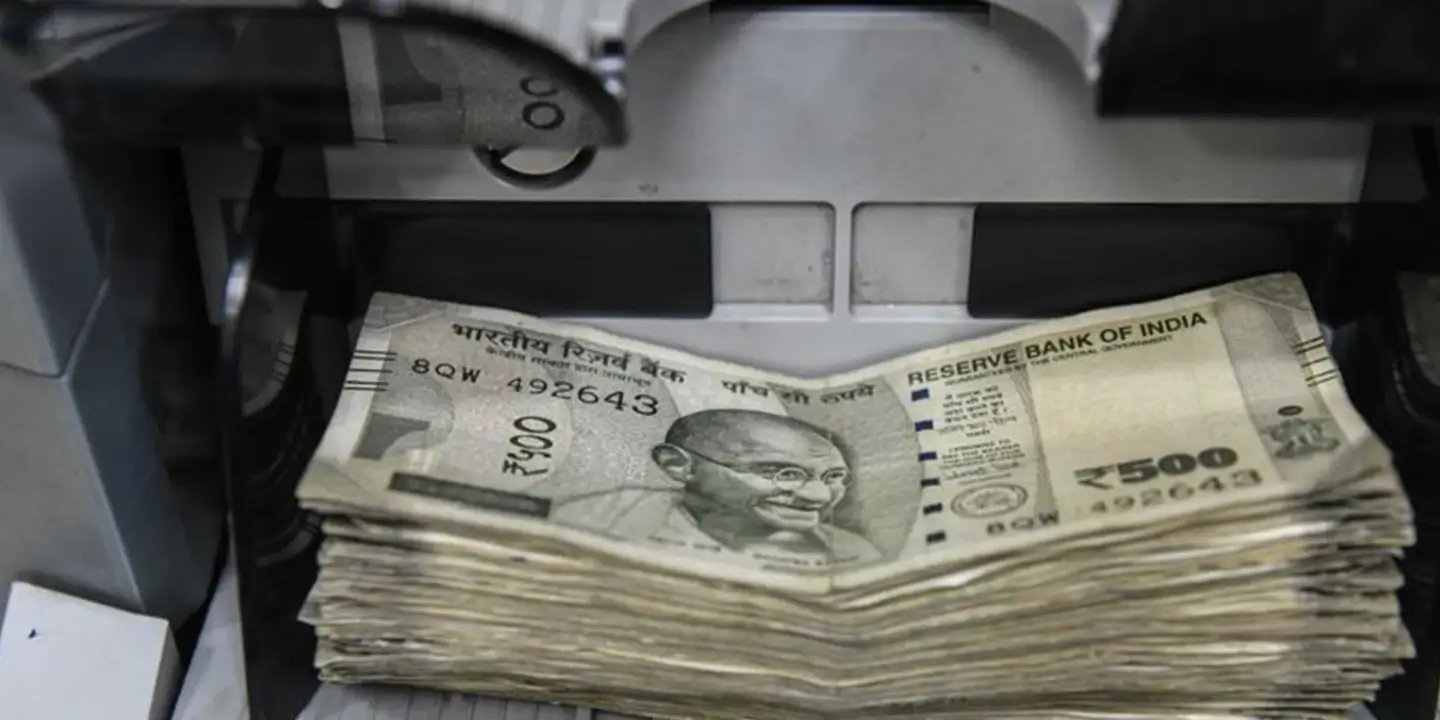


New Delhi [India], June 12 : Global uncertainty has started to drag micro, small, and medium enterprise (MSME) activities, with loan growth decelerating to 13 per cent year-on-year in April 2026 compared to 20 per cent in December 2025, according to a report by IIFL Capital. However, the Emergency Credit Line Guarantee Scheme (ECLGS) is expected to cushion the impact, as past schemes had improved credit activity, fund utilisation, and lowered non-performing assets (NPAs).
To tide over the challenges arising from the West Asia conflict, the government announced ECLGS 5.0 in May 2026. This latest iteration provides a 100 per cent credit guarantee coverage for loans extended to standard MSMEs, with the total quantum capped at Rs 1 billion per borrower.
The report expects this intervention to drive an additional credit flow of Rs 2.55 trillion, which represents approximately 5 per cent of outstanding MSME loans, with Rs 350 billion already sanctioned until the end of May.
“We believe ECLGS 5.0 should cushion the potential impact as the earlier schemes had improved (1) the credit activity, (2) fund utilisation, and (3) lowered NPA and forward flow rates,” the IIFL Capital report stated.
The slowdown is more pronounced for manufacturing and trading activities, and for public sector undertakings (PSUs), which also lost three percentage points in market share over the last two years. The overall growth momentum is softening, with loan growth by value and volume slowing down to 3 per cent and negative 3.5 per cent, respectively, in the current calendar year-to-date, compared to 10 per cent and 3 per cent during the corresponding period last year.
On the asset quality front, the report mentioned that there is a marginal deterioration, with the “PAR30+ metric rising 40 basis points month-on-month in April 2026,” though the shift appears largely seasonal for now.
Stress has increased relatively more for micro and small borrowers, PSU lenders, cash credit and term loan products, alongside manufacturing and service industries.
On the other hand, the report data revealed a structural resilience among larger contributors. While only 17 per cent of borrowers contribute 70 per cent of total MSME loans, their delinquency is not only lower compared to single-loan borrowers, but also improving against the marginal deterioration observed in the single-loan segment.
Simultaneously, lenders have been shifting towards higher quality borrowers, with the share of the very low-risk borrower segment rising by four percentage points over the last two years.
Source: ANI News







© 2026 Digital Mitra. All Rights Reserved.| Website made with by Elance Softech