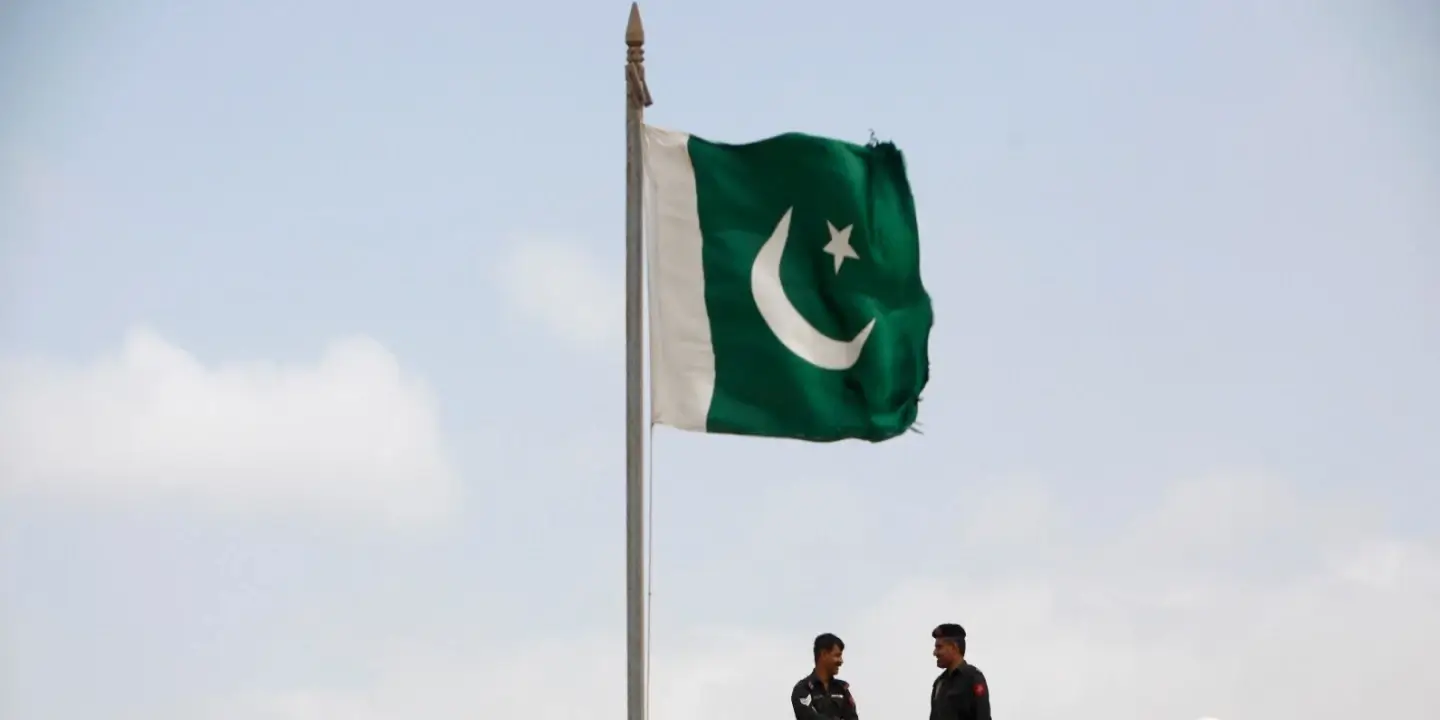


Balochistan [Pakistan], March 7 : The ongoing tensions involving Iran, Israel and the United States have begun to severely disrupt the supply of essential commodities in Balochistan’s border districts, exposing Pakistan’s fragile supply systems and leaving local populations vulnerable to rising prices and potential shortages. Districts situated along the Iran border have experienced sharp declines in the availability of food and fuel, as reported by The Balochistan Post.
According to The Balochistan Post, border areas in the Makran and Rakhshan divisions, including Gwadar, Kech, Panjgur, Chagai and Washuk, traditionally depend heavily on goods imported from Iran. These products are not only cheaper but also easier to obtain than supplies transported from distant Pakistani cities.
However, traders report that the closure of border crossings and new export restrictions imposed by Iran have drastically reduced the movement of essential commodities into these regions. The disruption has already begun affecting daily life across several towns.
Ishaq Roshan Dashti, president of the Makran Traders Alliance, stated that nearly 80 per cent of fuel and food consumed in the border belt originates from Iran.
He explained that prices had already begun rising earlier this year after Iranian authorities imposed taxes exceeding 30 per cent on exported food items following domestic protests. Since the outbreak of the current conflict, cross-border trade has nearly collapsed.
Dashti also noted that Iranian authorities have now placed a complete ban on the export of food products, further restricting supplies.
As a result, commodities such as flour, cooking oil, milk, yoghurt, LPG gas, petrol and diesel have become increasingly scarce.
Traders stated that local markets are beginning to show signs of shortages, while existing stock is being sold at significantly inflated prices.
In coastal districts including Gwadar, Jiwani, Pasni and Ormara, the prices of Iranian food products have surged by 30 to 40 per cent.
A similar trend has emerged in Mashkel, a remote town in the Washuk district located roughly 20 to 25 kilometres from Iran. Mashkel has historically relied on Iranian imports due to weak road links with the rest of Pakistan, as highlighted by The Balochistan Post.
Local trader Khuda Dad said LPG prices have doubled to nearly 600 rupees per kilogram, while Iranian petrol, diesel and cooking oil have increased by 60 to 70 per cent.
The crisis is also affecting Gwadar’s fishing industry. Fishermen say soaring fuel costs have significantly increased operational expenses, making fishing increasingly difficult.
Traders warn prolonged border closures could soon trigger severe shortages of essential goods across multiple districts of Balochistan, as reported by The Balochistan Post.
Source: ANI News







© 2026 Digital Mitra. All Rights Reserved.| Website made with by Elance Softech